News & Publications


article thumbnail

Nature’s Notebook data reveal how climate impacts flowering in eastern redbud trees

Sat, Jul 25, 2026

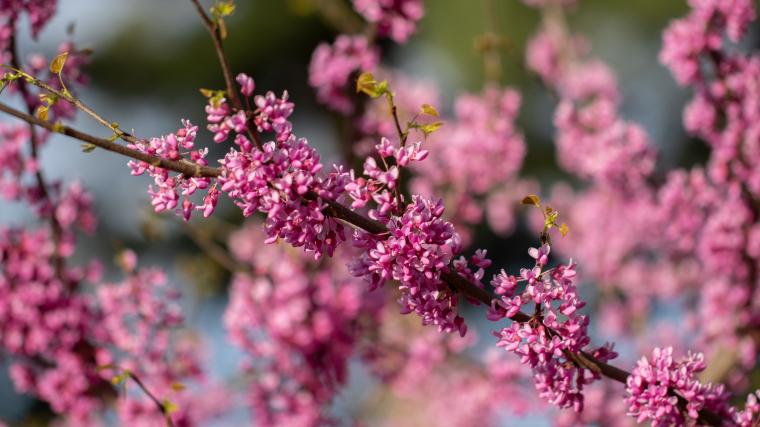
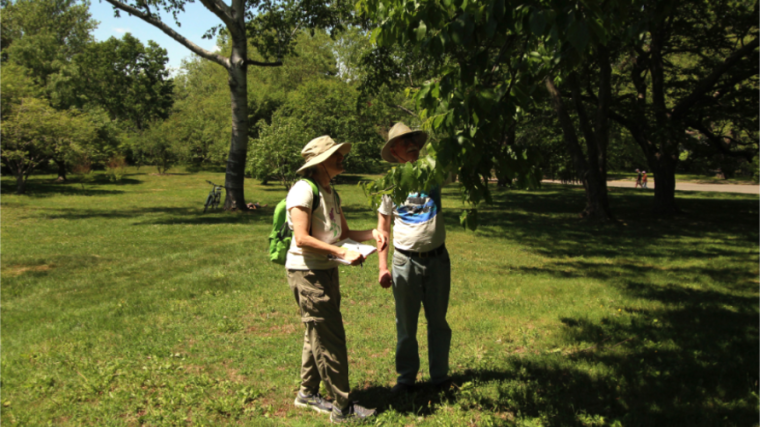
The appearance of bright pink flowers on eastern redbud trees is a reliable indicator that spring has arrived in the eastern U.S. However, the timing varies across the species’ range and not much is understood about the climate conditions that trigger flowering. A team of researchers used Nature’s Notebook observations from more than 150 sites across the eastern U.S. to identify how temperatures and daylength influence flowering in eastern redbuds. They used a novel modeling approach to show that both the amount of cold in winter and warmth in spring are important. However, the relative amount of cold and warmth needed to trigger flowering differed among sites. Trees in the north needed more cold and less heat to flower than trees in the south. Using these results, researchers can make accurate predictions about redbud flowering given recent climate conditions and better understand the potential impacts of climate change.


article thumbnail

Join us at Botany 2026 in Tucson!

Thu, Jul 09, 2026

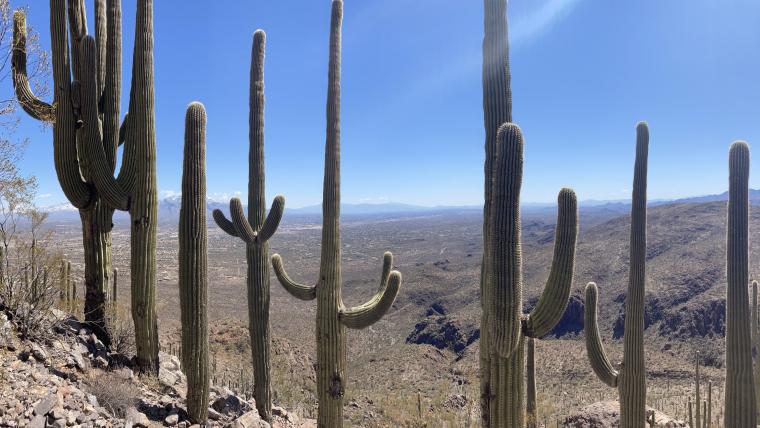
Are you attending the Botany Meeting in Tucson this August 1-5? We'll see you there! Come meet USA-NPN staff and students at our booth and talk to us about our new Nature's Notebook app (due out later this summer), the phenology data we have available, how to implement phenology monitoring with your undergraduate class or at your organization, and more!


article thumbnail

Weather impacts autumn phenology differently in the eastern and western U.S.

Mon, May 04, 2026

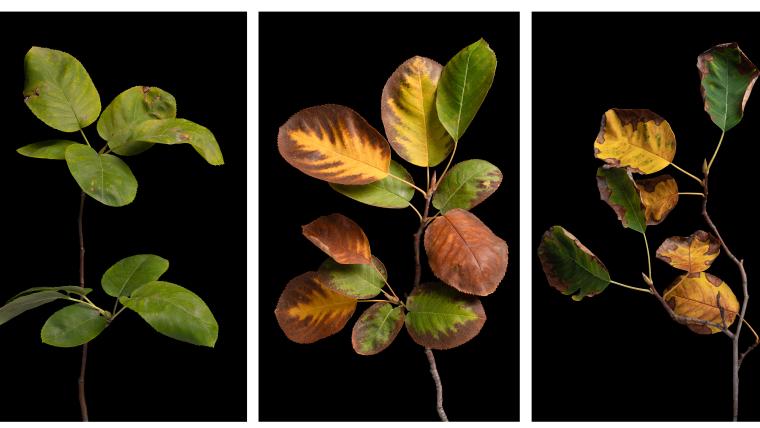
The timing of phenological events in autumn like leaf color and leaf fall have important consequences for nutrient cycling, species interactions, and even tourism. However, there has been less research on autumn phenology than spring phenology and the effects of temperature, precipitation, and day length are not well understood. To fill this gap, researchers used Nature’s Notebook observations of autumn phenology from woody plant species across the U.S. They found strong regional differences. Leaf color in the eastern U.S. was driven primary by summer temperatures, whereas in the western U.S., leaf color change was influenced more strongly by precipitation that occurred more than six months prior. Given these differences, the effects of climate change are likely to be complex. Increased temperatures may extend the growing season for some plants and increased drought may shorten the growing season for others.


article thumbnail

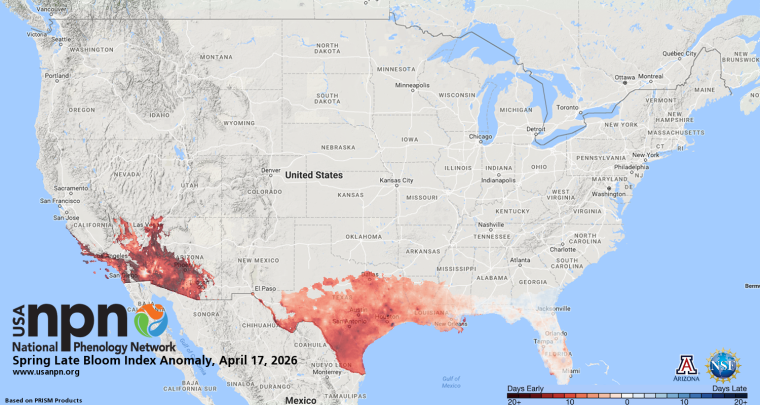
Late Bloom Index is live!

Fri, Apr 17, 2026

We are excited to unveil another new index of spring – the Late Bloom Index! The Late Bloom Index indicates when plants that bloom at the tail end of the season are flowering, effectively representing the end of the spring season.


article thumbnail

Student Spotlight: Chuck Haight

Tue, Mar 10, 2026

Students in Dr. Ava Goodale’s Environmental Science Research Course at Deerfield Academy collect environmental data as volunteer scientists, analyze those data in a technical report, and create an interpretive writing piece that tells a story about their experience. The students featured in this series participated in Nature’s Notebook campaigns and were kind enough to share their writing with us.


article thumbnail

Student Spotlight: Henry Cron

Tue, Mar 10, 2026

Students in Dr. Ava Goodale’s Environmental Science Research Course at Deerfield Academy collect environmental data as volunteer scientists, analyze those data in a technical report, and create an interpretive writing piece that tells a story about their experience. The students featured in this series participated in Nature’s Notebook campaigns and were kind enough to share their writing with us.


article thumbnail

Student Spotlight: Eleanor duPont

Tue, Mar 10, 2026

Students in Dr. Ava Goodale’s Environmental Science Research Course at Deerfield Academy collect environmental data as volunteer scientists, analyze those data in a technical report, and create an interpretive writing piece that tells a story about their experience. The students featured in this series participated in Nature’s Notebook campaigns and were kind enough to share their writing with us.


article thumbnail

Introducing the Thermal Calendars tool

Mon, Mar 09, 2026

Temperature is an important factor governing when seasonal events happen in many plant and animal species. For many species, events like leaf-out, flowering, and egg hatch are triggered when a specific amount of heat has accumulated since the start of the year. We typically measure accumulated heat in growing degree days (GDDs). The Thermal Calendars tool indicates when particular GDD levels (or thresholds) of accumulated warmth are met each year in the northeastern U.S. Local resource managers can use the tool to determine when problematic insect pests are expected to enter particular life stages when they may cause the most damage or are most readily controlled.