Sections
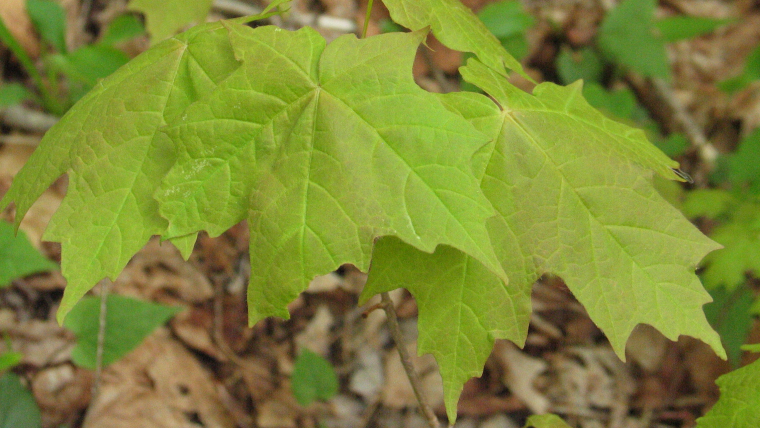
Plants with thinner leaves are more sensitive to warming temperatures
Thu, Sep 03, 2026
Temperature is important, but not the only factor in determining when plants leaf out in spring or lose their leaves in autumn. Species traits, like leaf size or thickness, also play an important role. To understand whether some plants may be more sensitive to increasing temperatures, researchers gathered data from warming experiments as well as observational data from Nature’s Notebook and a phenology network in China. They found that plants with thinner leaves and higher nutrient concentrations are more sensitive to temperature increases. These plants will typically leaf out earlier and lose their leaves later in warm years. Plants with thicker, longer-lived leaves are less likely to shift their growing seasons in response to warming temperatures. These results identified important patterns that can help refine predictions about how plant communities will respond to future climate change.
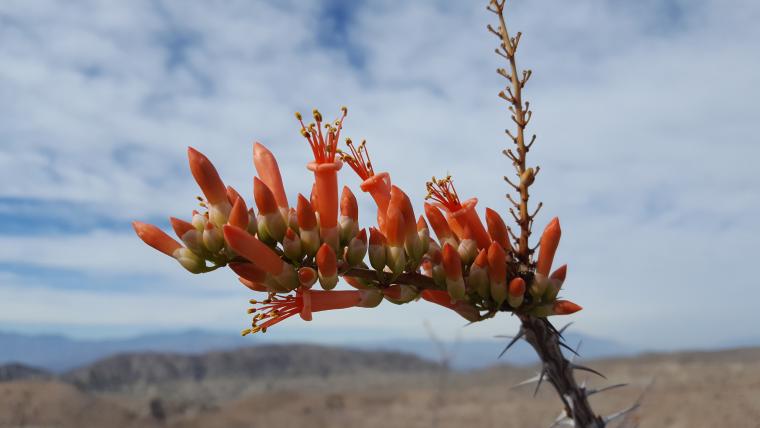
Observer Profile: Enthusiasm is Catching, and It’s Definitely Blooming in Arizona
Wed, Sep 02, 2026
In this Observer Story written by UCLA student Jennifer Yang, we learn about Nature's Notebook observers Rita Silverberg and Steve Amesbury. Rita and Steve are long time observers with the Pima County Master Gardeners Phenology Group in Tucson, Arizona.
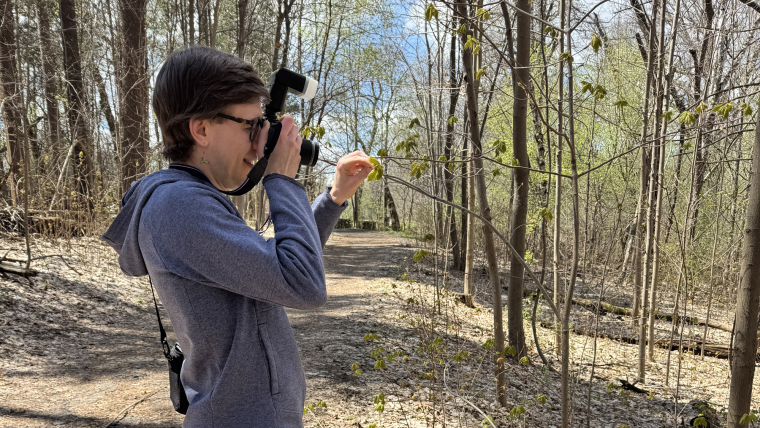
Observer Profile: Three Minutes Into the Woods - An Interview with Sky Hershberger
Wed, Aug 19, 2026
In this Observer Story written by UCLA student Kishan Talati, we learn about Nature's Notebook observer Sky Hershberger. Sky is a science communicator and the Forestry Communications Specialist at the University of Wisconsin–Madison Extension.