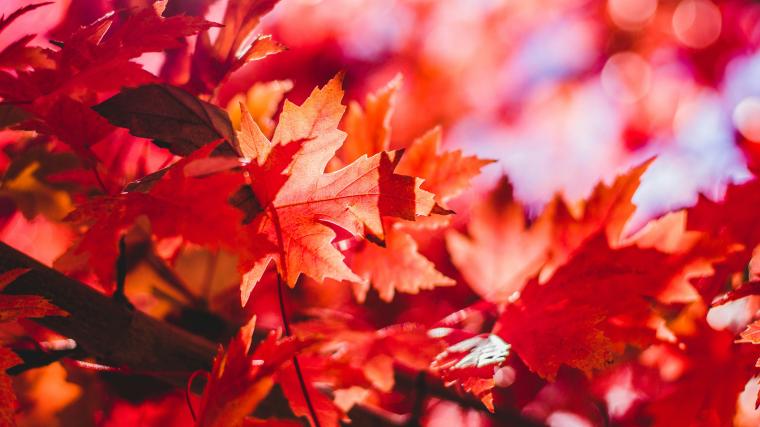
Weather impacts autumn phenology differently in the eastern and western U.S.
The timing of phenological events in autumn like leaf color and leaf fall have important consequences for nutrient cycling, species interactions, and even tourism. However, there has been less research on autumn phenology than spring phenology and the effects of temperature, precipitati... Read more
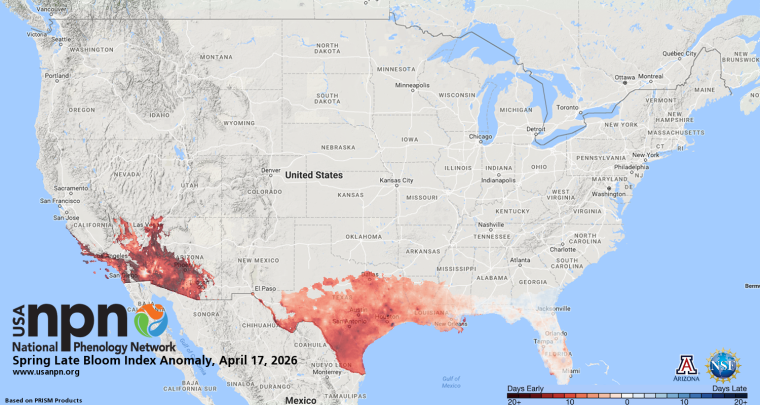
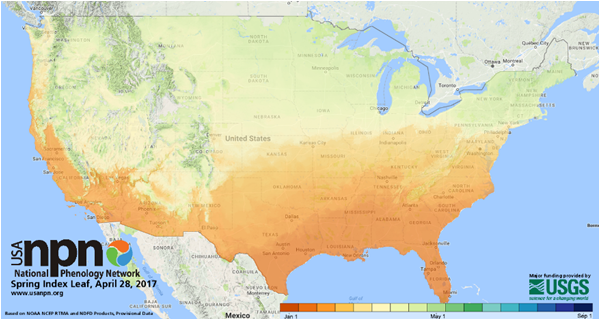
Late Bloom Index is live!
We are excited to unveil another new index of spring – the Late Bloom Index! The Late Bloom Index indicates when plants that bloom at the tail end of the season are flowering, effectively representing the end of the spring season. Read more

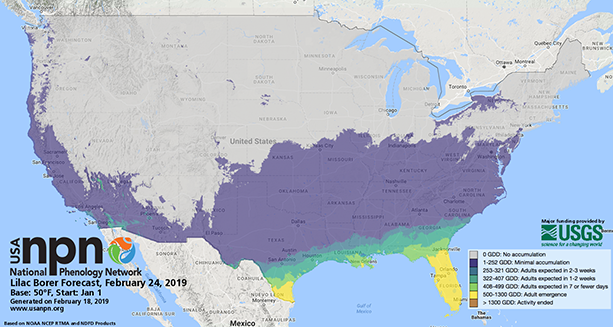
Introducing the Thermal Calendars tool
Temperature is an important factor governing when seasonal events happen in many plant and animal species. For many species, events like leaf-out, flowering, and egg hatch are triggered when a specific amount of heat has accumulated since the start of the year. We typically measure accu... Read more
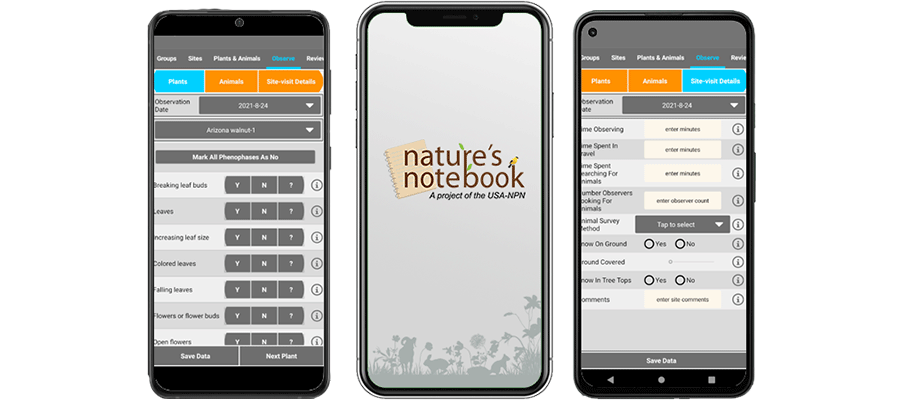
Download Nature's Notebook
Track seasonal changes in plants and animals throughout the year with Nature's Notebook.
To get started, download our Nature's Notebook app for Android or iPhone, or set up your account online.